
Post-Hospitalization Recovery
Hospital-to-Home Recovery Services in Glenview & Northshore
Leaving the hospital is a big step, but it’s only the beginning of your recovery. Going home is an important time that can affect your long-term health. At Elijah Health Home Services, we offer hospital-to-home recovery services in Glenview and Northshore, Chicago, to help make this transition safe and comfortable. With the right support, you can avoid problems and take control of your recovery.
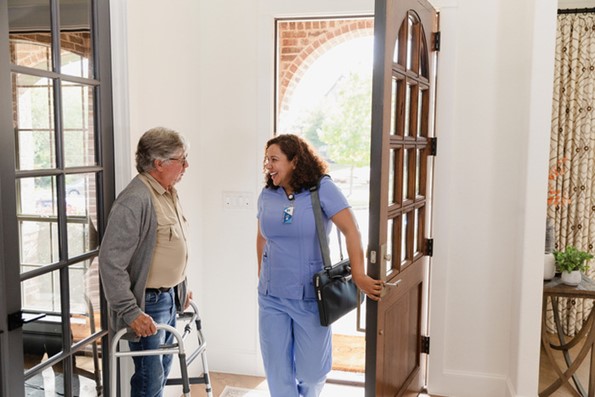
The Importance of Transitioning From the Hospital to Home
Getting the right care after leaving the hospital is key to a good recovery. This time, known as transitional care, can be challenging for patients. A care transition can be as simple as moving a patient or a person across different health care settings, like going from the hospital to home. Without enough support and planning, patients face a higher risk of problems, which can mean more trips to the emergency room or even going back to the hospital.
Common Challenges Patients Face After Discharge
Coming home after a hospital stay can be challenging for both patients and families. Getting used to a new routine may feel overwhelming at first. Understanding what to expect can help make the transition smoother.
Physical Recovery Takes Time
A hospital stay, especially after a serious illness or surgery, can be hard on your body. The National Council on Aging says it often takes a week to recover for each day you spent in the hospital. Muscle loss, weakness, and tiredness are common, so even simple tasks can feel exhausting. You might have trouble with movement, balance, or the energy needed for daily activities. Trying to do too much too soon can cause setbacks or injuries and slow down your recovery. Taking it slow and being patient is important.
Emotional and Mental Health Struggles
Recovery isn’t only about your body. Many people feel unsure or sad after leaving the hospital. If you live alone or don’t have much support, it can feel lonely. Worrying about your health, feeling frustrated by new limits, and handling new routines can all affect your mood. It helps to talk about these feelings and ask for support from family, friends, or caregivers.
Managing Medications and Follow-up Appointments
Managing medications is one of the trickiest parts of care after leaving the hospital. Patients often go home with new prescriptions, changes to old ones, and a schedule that can be hard to follow. So, reviewing all medications is an important part of a discharge plan to prevent mistakes or bad reactions. Keeping track of different medicines, doses, and times takes careful planning. Setting up and getting to follow-up appointments with different doctors can also be tough, especially if you have trouble moving around. Good discharge planning helps manage these tasks.
Adjusting to New Routines at Home
Life at home after a hospital stay often looks different than before. You may need to follow a new diet, do special exercises, care for wounds, or use new medical equipment. These changes can be hard for both you and your family. Fitting these new routines into your daily life takes planning and patience. This is where in-home recovery support can really help, making it easier to adjust and stick to healthy habits.
Your Step-by-Step Guide to a Smooth Recovery
Having a clear plan is the best way to handle the challenges of recovery after leaving the hospital. Being prepared can lower stress and make sure you cover all your care needs. The following steps can make recovery simpler and help create a supportive space for healing.
The National Council on Aging suggests removing clutter, adding night lights, and keeping important items close by to help prevent falls. You might also need to set up medical equipment, such as a hospital bed or grab bars in the bathroom.
Ask the discharge planner to help schedule these visits in advance. Having your appointments planned ahead of time gives you one less thing to worry about.
This list should include the name, dose, when to take them, and any special instructions. A pill organizer can help you avoid mistakes and stay organized.
Rest is important, but light movement helps you keep your strength and improve circulation. Always follow your doctor’s advice and start slow.
Do not hesitate to arrange for professional help. Services like post-surgery home care can provide the expertise and support needed to manage complex medical needs and daily activities, giving both the patient and family peace of mind.
How In-Home Recovery Support Can Make a Difference
Professional in-home care offers a supportive way to recover. Caregivers help with daily tasks, provide emotional support, and watch your health, all of which can make a real difference in your recovery.
Personalized Care Plans for Every Patient
Every recovery is different. In-home care services make a plan that matches your medical needs, abilities, and preferences. This way, you get care that fits your life and helps you reach your goals, whether that’s hourly care at certain times of the day or 24-hour live-in care.
Assistance With Daily Activities
While you recover, you might need help with things like bathing, dressing, cooking, or cleaning. In-home caregivers can handle these tasks, letting you focus on healing. This also gives your family a break from the hard work of caregiving.
Monitoring for Signs of Complications
A big part of in-home care is watching your health closely. Caregivers know how to spot early signs of problems like infections or side effects from medicine. Finding these issues early means you can get help fast and avoid going back to the hospital.
Emotional Support for Patients and Families
Recovery can be hard emotionally. In-home caregivers offer companionship and support, so you feel less alone or worried. They also guide families and give them a much-needed break from caregiving.

How Elijah Home Health Services Supports Your Loved One’s Recovery
When you choose Elijah Home Health Services, you get a team that truly cares about your loved one’s well-being. Our caregivers make recovery easier for both patients and families by offering compassionate, expert support. We tailor our care to each person’s needs and create a healing environment right at home. Some of the reasons patients and families love us include:
- We provide personalized care tailored to your loved one’s specific needs, ensuring they receive the right support at the right time.
- Our caregivers assist with daily activities like bathing, dressing, and meal preparation, promoting comfort and independence.
- We monitor recovery progress and watch for any signs of complications, providing an extra layer of safety.
- We offer compassionate emotional support to both patients and their families, understanding that healing is a journey for everyone involved.
- Our team ensures seamless communication with healthcare providers for follow-up care, coordinating appointments, and sharing important updates.
Ready to Start Your Recovery Journey?
Going home from the hospital is a major step toward recovery. Making this transition safe and supported helps you avoid setbacks and stay on track. If your loved one needs help after a hospital stay in Glenview or Northshore, Chicago, contact Elijah Home Health Services. We’ll support you and your family every step, so you can feel confident and comfortable during recovery. Taking this first step can make a real difference.