
Parkinson’s Home Care
Parkinson’s Home Care for Seniors in Glenview & Northbrook, IL
Living with Parkinson’s involves more than changes in movement alone. It can touch every part of daily life. It may influence your routines, your sense of independence, and your emotional health. Whether you’ve recently been diagnosed or are caring for someone who has, the path ahead can sometimes feel daunting and overwhelming. Elijah Home Health Services, LLC provides customized Parkinson’s home care in Glenview & Northbrook, IL. Parkinson’s home care allows people living with Parkinson’s disease to stay safe, supported, and independent in the comfort of their own homes while their needs change over time.
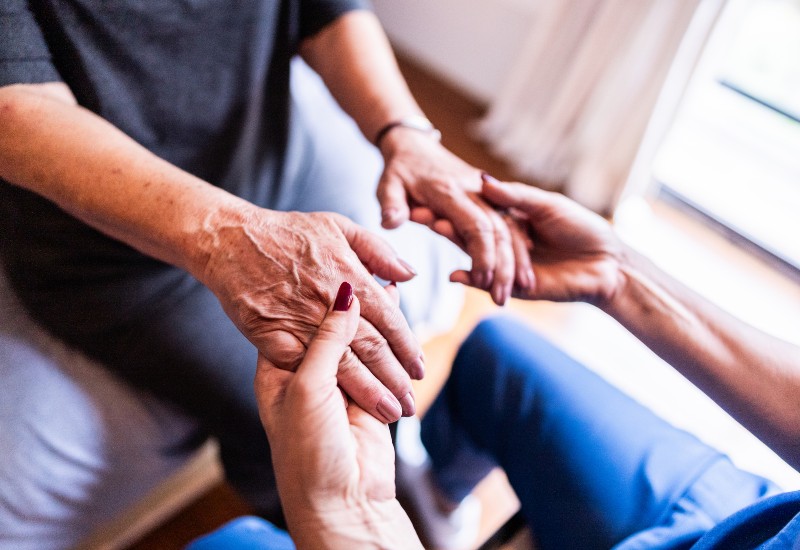
What Is Parkinson’s Disease?
Parkinson’s disease is a progressive neurological disorder that mainly affects the brain cells that produce dopamine, the chemical messenger that helps coordinate smooth, controlled movement. As these cells are damaged or die, the brain has more trouble sending clear signals to the muscles, leading to motor symptoms such as tremor, stiffness, and slowness of movement.
Many people also experience non-motor symptoms, including sleep problems, constipation, anxiety or depression, and changes in thinking or memory. Parkinson’s disease develops differently from person to person, but over time it often becomes more difficult to walk, keep balance, manage daily activities, and remain socially active without support.
What Causes Parkinson’s Disease?
In most cases, the exact cause of Parkinson’s disease is unknown, but researchers agree it results from a combination of genetic, environmental, and age-related factors. Damage occurs in specific areas of the brain that control movement, particularly in dopamine-producing neurons, which gradually leads to the symptoms of Parkinson’s disease.
Certain gene changes can significantly increase a person’s risk, but only a small percentage of Parkinson’s cases are primarily genetic. Environmental exposures such as some pesticides, air pollution, solvents, and prior head injuries may also contribute, and advancing age is one of the strongest known risk factors. Lifestyle factors like limited physical activity and unhealthy diet patterns may further influence risk, though they do not directly “cause” the disease on their own.
Why In‑Home Parkinson’s Care Matters
Because Parkinson’s disease changes over time, care needs tend to increase and become more complex, from help with walking and transfers to medication timing, nutrition, and safety supervision. In‑home Parkinson’s care brings professional support directly into the home. We help patients maintain independence, dignity, and familiar routines for as long as possible.
Benefits of Parkinson’s Care at Home
In‑home Parkinson’s care allows your loved one to stay in a familiar environment, which can reduce confusion, anxiety, and stress while supporting emotional well‑being. Personalized one‑on‑one care makes it easier to adjust the level of assistance as symptoms change, from occasional help in early stages to more frequent or around‑the‑clock support later on.
With trained caregivers monitoring mobility and safety, home care can help prevent falls and complications that often lead to emergency room visits or hospital stays. It also provides respite for family caregivers, giving them time to rest and take care of their own health while still being closely involved in care decisions.
FAQs on In‑Home Parkinson’s Care
When Should We Consider Parkinson’s Disease Home Care?
Families often begin home care when daily activities like bathing, dressing, walking, or managing medications become difficult or unsafe to handle alone, or when caregiving responsibilities start to feel overwhelming.
How Often Can a Caregiver Come to the Home?
Care can be scheduled for just a few hours a week, daily visits, or 24‑hour support, depending on the person’s needs and the family’s preferences; flexible scheduling allows care to increase as Parkinson’s disease progresses.
Can Parkinson’s Home Care Help With Non‑Motor Symptoms?
While home care does not replace medical treatment, caregivers can support better sleep routines, regular meals, hydration, social engagement, and adherence to the care plan, which may ease the impact of symptoms such as fatigue, mood changes, or cognitive challenges.
How Does in‑Home Care Work With Our Healthcare Providers?
Professional caregivers and home health teams complement your neurologist, primary care provider, and therapists by following the established care plan, observing changes, and sharing concerns so the medical team can adjust treatment as needed.
Contact Elijah Home Health Services, LLC
Elijah Home Health Services, LLC walks beside families and patients through our in-home care services on the North Shore. We’ll help you understand your options and create a plan that fits your lifestyle. Our team understands the unique challenges of Parkinson’s disease and is committed to promoting safety, independence, and comfort every step of the way. Fill out our online contact form or call us now to speak with our professional team about personalized home health care for Parkinson’s disease.